
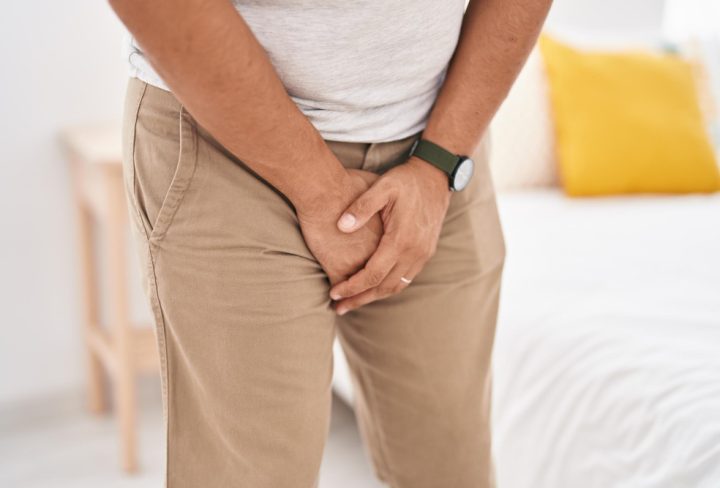
What is Prostatitis?
Prostatitis is a condition that affects the prostate gland in men. The prostate is a small gland below the bladder. It helps make fluid for semen. When the prostate becomes swollen or irritated, it is called prostatitis. This condition can cause pain and other symptoms. Prostatitis can affect men of all ages, but it is more common in men under 50. Early treatment can help manage symptoms and prevent problems.
Symptoms of Prostatitis
Prostatitis symptoms can vary from person to person. Some men may have mild symptoms, while others may feel severe discomfort. Often, symptoms can come on suddenly or develop slowly over time. Common signs of prostatitis include:
If you notice these symptoms, it is important to talk to a doctor. Sometimes, other conditions can cause similar signs.
Causes and Risk Factors
There are several causes of prostatitis. Sometimes, bacteria can infect the prostate. This is called bacterial prostatitis. Other times, the cause is not clear. This is known as chronic prostatitis or chronic pelvic pain syndrome. Several risk factors can increase your chances of getting prostatitis. For example, you may be at higher risk if you:
However, not all men with these risk factors will develop prostatitis. Sometimes, the cause remains unknown.
How Prostatitis is Diagnosed
Doctors use several steps to diagnose prostatitis. First, they ask about your symptoms and medical history. Next, they may do a physical exam, which often includes a digital rectal exam. This helps the doctor check the size and feel of your prostate. In addition, tests may include:
These tests help rule out other problems and guide treatment. Early diagnosis can lead to better outcomes.
Treatment Options for Prostatitis
Treatment for prostatitis depends on the cause. If bacteria are present, doctors often prescribe antibiotics. You may need to take them for several weeks. For chronic prostatitis, other treatments may help. These can include:
Sometimes, symptoms return even after treatment. In these cases, your doctor may suggest other options. Always follow your doctor’s advice and finish all prescribed medicines.
Lifestyle Tips and Prevention
While you cannot always prevent prostatitis, some lifestyle changes may lower your risk. For instance, you can:
Moreover, regular check-ups can help catch problems early. Healthy habits support prostate health and overall well-being.
When to See a Doctor
It is important to see a doctor if you have symptoms of prostatitis. For example, seek help if you notice pain, trouble urinating, or fever. Early treatment can prevent complications. In addition, if symptoms return or do not improve, contact your doctor again. Do not ignore ongoing discomfort or changes in your health.
For personalized advice on prostatitis, consult a urologist. Early care can make a big difference in your recovery and comfort.