
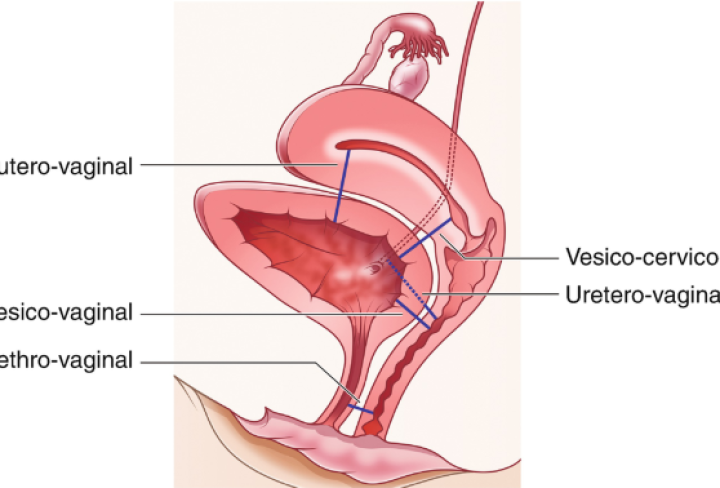
A urinary fistula is an abnormal connection between your urinary and other organ systems. It disrupts normal organ functions by allowing urine to pass where it shouldn’t. This condition can be serious, leading to various health complications if left unaddressed. It’s crucial to understand the basics.
The aim of this guide is to educate patients about what a urinary fistula is and to clear up any myths surrounding it. This way, patients can approach their health with knowledge and confidence. Here are the key takeaways from this guide:
- You’ll learn about the types, causes, and risks of urinary fistulas.
- You’ll discover the symptoms and diagnostic procedures involved.
- You’ll gain insight into treatment options and preventive measures for managing your health effectively.
Understanding Urinary Fistulas: Types, Causes, and Risks
Urinary fistulas are problematic because they disrupt how our organs should work. For example, these fistulas can form due to unexpected injuries or complications, prompting urine to leak through inappropriate channels.
Here are common types of urinary fistulas:
- Vesicovaginal fistula: This type occurs between the bladder and the vagina.
- Urethrocutaneous fistula: This forms between the urethra and the skin.
- Vesicorectal fistula: This is an abnormal connection between the bladder and rectum.
- Prostatic fistula: This develops between the prostate and bladder or other areas.
Several urinary fistula causes contribute to its development:
- Surgical procedures: Operations on the bladder or reproductive organs sometimes lead to urinary fistulas.
- Obstetric injuries: Difficult childbirth can cause tearing, creating a urinary fistula.
- Radiation therapy: Treatments for cancer in pelvic regions sometimes lead to fistulas.
- Infections: Severe infections in the bladder or urinary tract can damage tissues, leading to urinary fistulas.
Risk factors significantly influence the likelihood of developing these fistulas:
- Previous pelvic surgeries: Individuals with a history of such surgeries are at higher risk.
- Childbirth complications: Traumatic births can increase the risk.
- Infections: Chronic or repeated urinary or reproductive infections may lead to fistula formation.
By understanding these types and causes, you can better anticipate and manage your health risks.
Identifying Symptoms and Diagnostic Procedures
Recognizing urinary fistula symptoms early is essential for effective treatment. Here are some common symptoms:
- Unusual and continuous leakage of urine: This can lead to discomfort and embarrassment.
- Recurrent urinary tract infections: These repeatedly disrupt daily life.
- Pain or discomfort around the pelvic area, especially during urination.
These symptoms can significantly impact your lifestyle, affecting personal and social interactions. It’s important to address them quickly.
When diagnosing a urinary fistula, doctors generally follow a structured process:
- Physical Examination: A doctor checks for visible signs or symptoms.
- Imaging Tests: Methods like ultrasound or CT scans can help locate the fistula.
- Specialized Tests:
- Cystoscopy: A camera inspects the bladder and urethra.
- X-rays with dye: This helps visualize any abnormal connections.
Early urinary fistula diagnosis is key to better outcomes. Timely intervention can prevent complications and ease recovery. If you suspect anything unusual, seek medical advice swiftly to manage your health effectively.
Treatment and Prevention: Navigating Recovery Successfully
There are various urinary fistula treatment options, tailored to fit individual needs and conditions. Here’s a quick look at what’s available:
- Conservative management: This involves simple measures like catheterization to allow tissues to heal naturally. It’s effective in minor cases.
- Surgical interventions: For severe fistulas, surgery may be necessary to repair the tissue and restore normal function.
Recovery from a urinary fistula can be physically and emotionally taxing:
- Physical recovery: After surgery, rest is crucial. Follow your doctor’s instructions closely about wound care and lifestyle modifications.
- Psychological impact: Experiencing a fistula can be stressful. Support from professionals and loved ones can aid emotional coping and recovery.
Preventing a urinary fistula involves understanding contributing factors:
- Be cautious with surgeries: Choose experienced surgeons to minimize risks.
- Manage infections promptly: Treat any urinary tract infections early to prevent damage.
- Plan effectively for childbirth: Discuss potential complications with your healthcare provider to prepare and mitigate risks.
Overall, collaboration with healthcare providers is vital. These experts can help manage health with effectiveness and confidence. Additionally, addressing stigmas related to urinary fistulas is important. This ensures patients get the care they need without hesitation or embarrassment.
By focusing on prevention and treatment, you can navigate the path to recovery successfully and maintain a healthy life post-fistula.